

Citadel of Qaitbay Alexandria: Travel Guide, History & Tickets | Cheers Egypt Tours

Citadel of Qaitbay Alexandria: Travel Guide, History & Tickets | Cheers Egypt Tours
The Citadel of Qaitbay: Alexandria’s Maritime Fortress & Expert Travel Guide
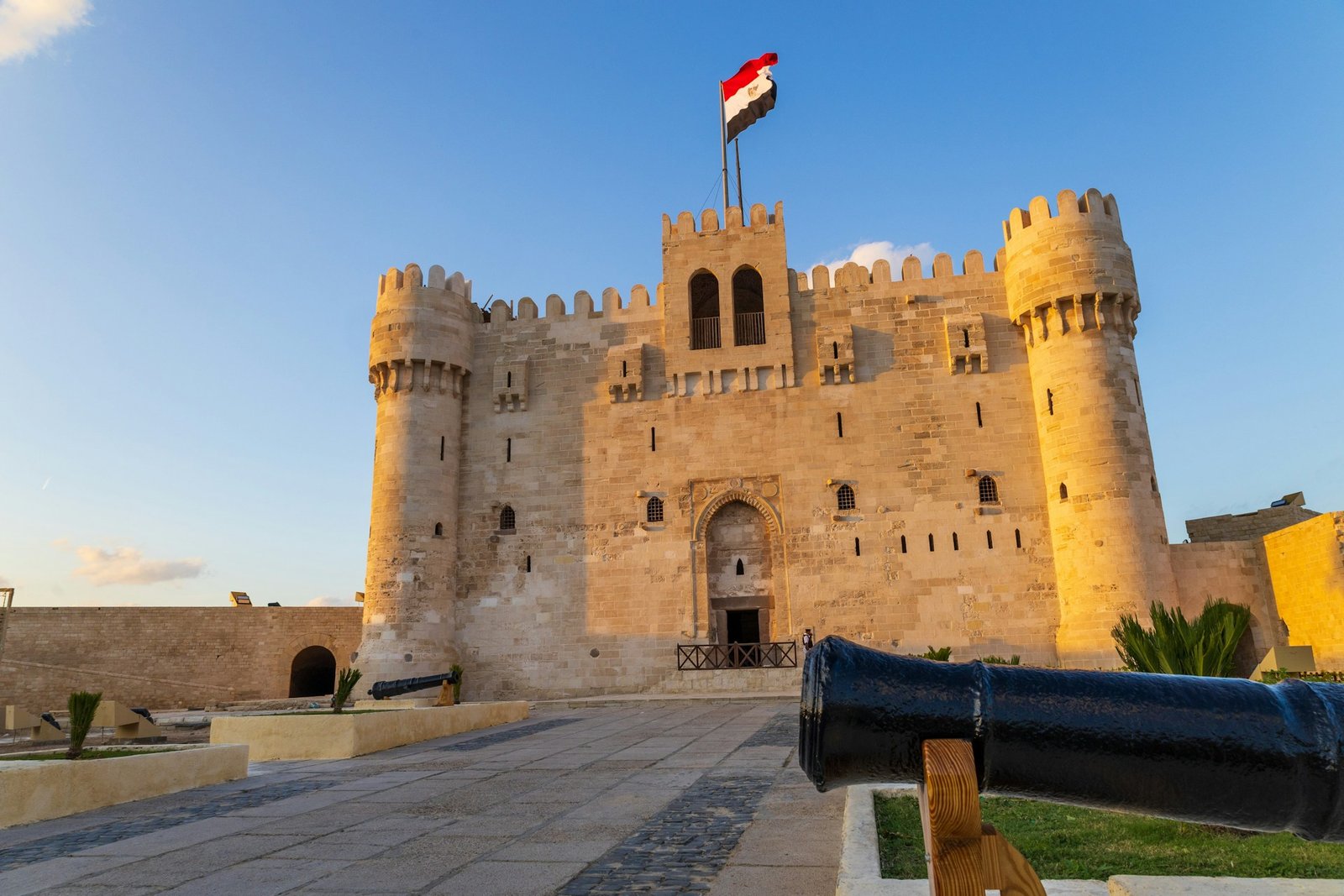
Guarding the eastern entrance to Alexandria’s historic harbor, the Citadel of Qaitbay stands as one of the most iconic defensive strongholds along the Mediterranean coast. Commissioned in 1477 CE by Sultan Al-Ashraf Sayf al-Din Qaitbay, this Mamluk military bastion was built directly upon the foundations of the ancient Pharos Lighthouse—one of the Seven Wonders of the Ancient World that had collapsed under centuries of devastating seismic tremors. Constructed in part from the very salvaged granite blocks and limestone columns of the fallen beacon, the citadel blends medieval Islamic military architecture with ancient maritime legends, offering travelers panoramic sea vistas and a palpable connection to Alexandria’s storied naval past.
- Built on the exact site and foundations of the legendary Pharos Lighthouse of Alexandria.
- A classic 15th-century Mamluk defensive complex featuring double concentric curtain walls, embrasures, and observation turrets.
- The historic main keep, housing the oldest surviving Islamic mosque in Alexandria and vaulted military barracks.
- Sweeping 360-degree views overlooking Alexandria’s Eastern Harbour and the open Mediterranean horizon.
- Expedition synergy: Complement your coastal journey with our guides to the subterranean wonders of the Catacombs of Kom El Shoqafa, the royal marvels of the Giza Pyramids Complex, and our signature Luxury Nile Cruise Planning Guide.
From Ancient Wonder to Medieval Fortress
For more than a millennium, the 110-meter Pharos of Alexandria guided mariners across treacherous Mediterranean shoals with its polished bronze mirror and beacon fire. Following catastrophic earthquakes between the 10th and 14th centuries, the colossus finally collapsed into rubble. When Sultan Qaitbay fortified Egypt against impending Ottoman naval expansion in the late 15th century, he repurposed the site and its massive tumbled granite blocks, embedding antiquity directly into the walls of his modern defensive fortress.
Echoes of the Pharos: Red Granite Relics
While exploring the main courtyard and lower walls, astute visitors will notice enormous monolithic pillars of red Aswan granite embedded horizontally into the limestone masonry. These were salvaged directly from the shattered ruins of the Pharos Lighthouse. Below the surrounding sea waters lies Alexandria’s renowned underwater archaeological park, where divers and marine archaeologists have mapped thousands of fallen lighthouse blocks, colossal Ptolemaic sphinxes, and statues of Cleopatra and Ptolemy that toppled off this very peninsula centuries ago.
“Where the ancient world’s tallest beacon guided weary sailors home, Qaitbay’s stone towers arose to defend the crown of Egypt’s Mediterranean shores.”
Discerning Traveler Practical Guide: Tickets & Timing
Positioned at the far western tip of Alexandria’s Corniche, the Citadel of Qaitbay is one of the city’s most beloved walking areas. Planning your arrival carefully ensures dramatic photography and avoids the bustle of domestic weekend crowds.
Discerning Traveler Tips
- Golden Hour Strategy: Arrive in the late afternoon (around 03:30 PM to 05:00 PM). The setting sun casts an amber glow across the limestone ramparts, and the sea breeze makes exploring the outdoor battlements very pleasant.
- Strict Cashless Policy: The Egyptian Ministry of Tourism and Antiquities operates a card-only ticketing policy (~150 EGP for foreign adults). Bring an international Visa or Mastercard for gate purchases.
- Footwear & Ramparts: The fortress interior involves climbing stone staircases and walking on weathered, uneven paving. Comfortable flat shoes with good grip are strongly recommended.
- Corniche Promenade & Seafood: Combine your visit with a relaxed stroll along the waterfront promenade outside the fortress, followed by a fresh Mediterranean seafood lunch at one of the upscale seaside restaurants overlooking the harbor.
Experience the Citadel of Qaitbay with Cheers Egypt Tours
Exploring Alexandria’s maritime history should be an inspiring, refined journey free from traffic bottlenecks and street vendor pressure. When you reserve your private Alexandria excursion with Cheers Egypt Tours, your day is curated with effortless comfort.
You will travel from Cairo in private, chauffeured climate-controlled luxury vehicles, accompanied by an accredited senior Egyptologist who uncovers the architectural links between the ancient Pharos Lighthouse and Mamluk fortifications. With pre-arranged fast-track ticketing passes, tailored seaside dining, and an unhurried itinerary, Cheers Egypt Tours delivers a truly royal encounter with Alexandria’s coastal jewel.
Frequently Asked Questions
Was the Citadel of Qaitbay really built on the Pharos Lighthouse?
Yes. Sultan Qaitbay specifically chose the exact rocky peninsula where the legendary 3rd-century BCE Pharos Lighthouse once stood. Builders used the surviving foundations and recycled fallen granite and limestone blocks from the lighthouse directly into the walls and columns of the citadel.
How long does it take to tour the Citadel of Qaitbay?
A typical guided visit takes approximately 1 to 1.5 hours. This allows ample time to tour the ground-floor mosque, climb the stone steps through the three-story keep, walk the upper battlements for panoramic sea photos, and explore the outer defensive walls.
Can I visit the Citadel of Qaitbay and Alexandria as a day trip from Cairo?
Yes. Located approximately 220 km (136 miles) northwest of Cairo, Alexandria is an easy 2.5 to 3-hour private drive along the desert highway. A day tour with Cheers Egypt Tours comfortably incorporates Qaitbay Citadel, the Catacombs of Kom El Shoqafa, Pompey’s Pillar, and the modern Bibliotheca Alexandrina.
Why should I book my Qaitbay Citadel tour with Cheers Egypt Tours?
Booking with Cheers Egypt Tours eliminates the hassle of navigating Alexandria’s coastal traffic and ticket lines. You receive dedicated private luxury transport, pre-purchased entrance passes, an accredited senior Egyptologist who brings maritime history to life, and a curated seaside seafood dining experience tailored to your tastes.
[EXCERPT] Explore the historic Citadel of Qaitbay in Alexandria with expert Egyptologist insights. Discover the site of the ancient Pharos Lighthouse, Mamluk architecture, tickets, and luxury private tours with Cheers Egypt Tours. [/EXCERPT]
Our articles are researched and written by licensed master Egyptologists and private VIP concierges with decades of experience escorting international travelers across Egypt.